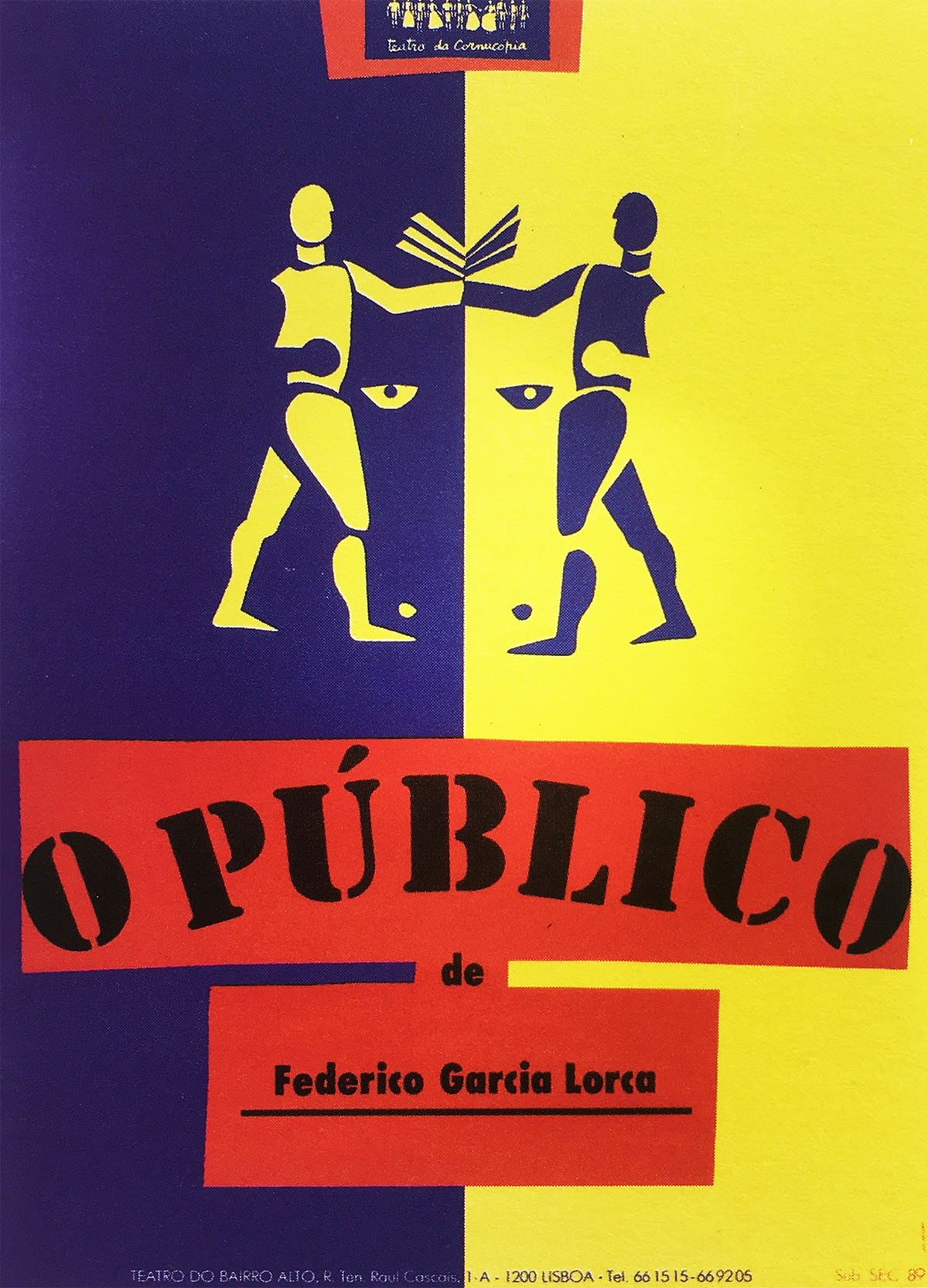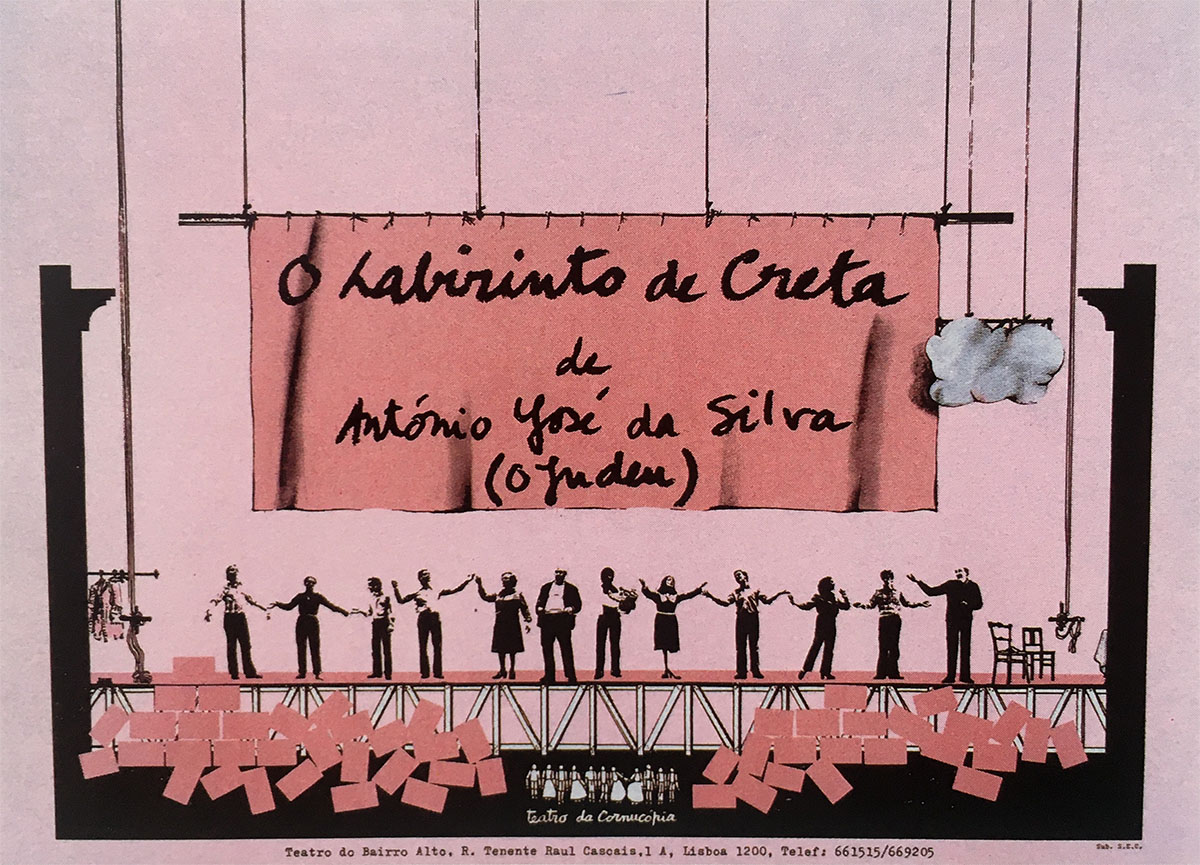
Cristina Reis was born in Lisbon in 1945. She enrolled in the Painting course at the Higher School of Fine Arts in Lisbon in 1960, while simultaneously beginning her design training in the Basic Design Course at Daciano da Costa’s atelier in Belém. Between 1966 and 1970, she attended a course in Art and Graphic Design at Ravensbourne College of Art and Design in England.
Upon her return, she actively participated in the 1st and 2nd Portuguese Design Exhibitions, held in 1971 and 1973, as part of the Industrial Design Nucleus of the National Institute of Industrial Research (INII). Between 1974 and 1975, she joined architect/designer António Sena da Silva and others in forming the cooperative DEZ, which focused on organizing exhibitions for industry, primarily representing Portuguese initiatives through the Export Promotion Fund.
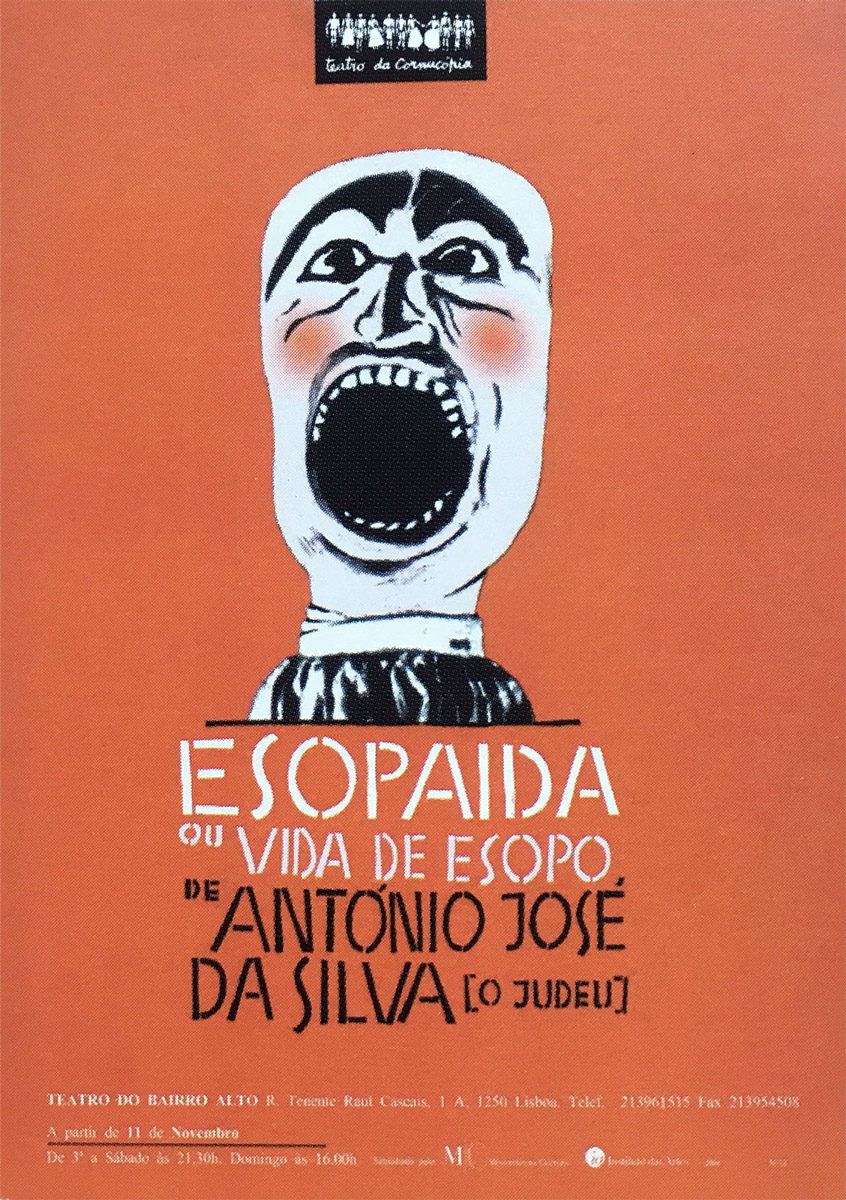
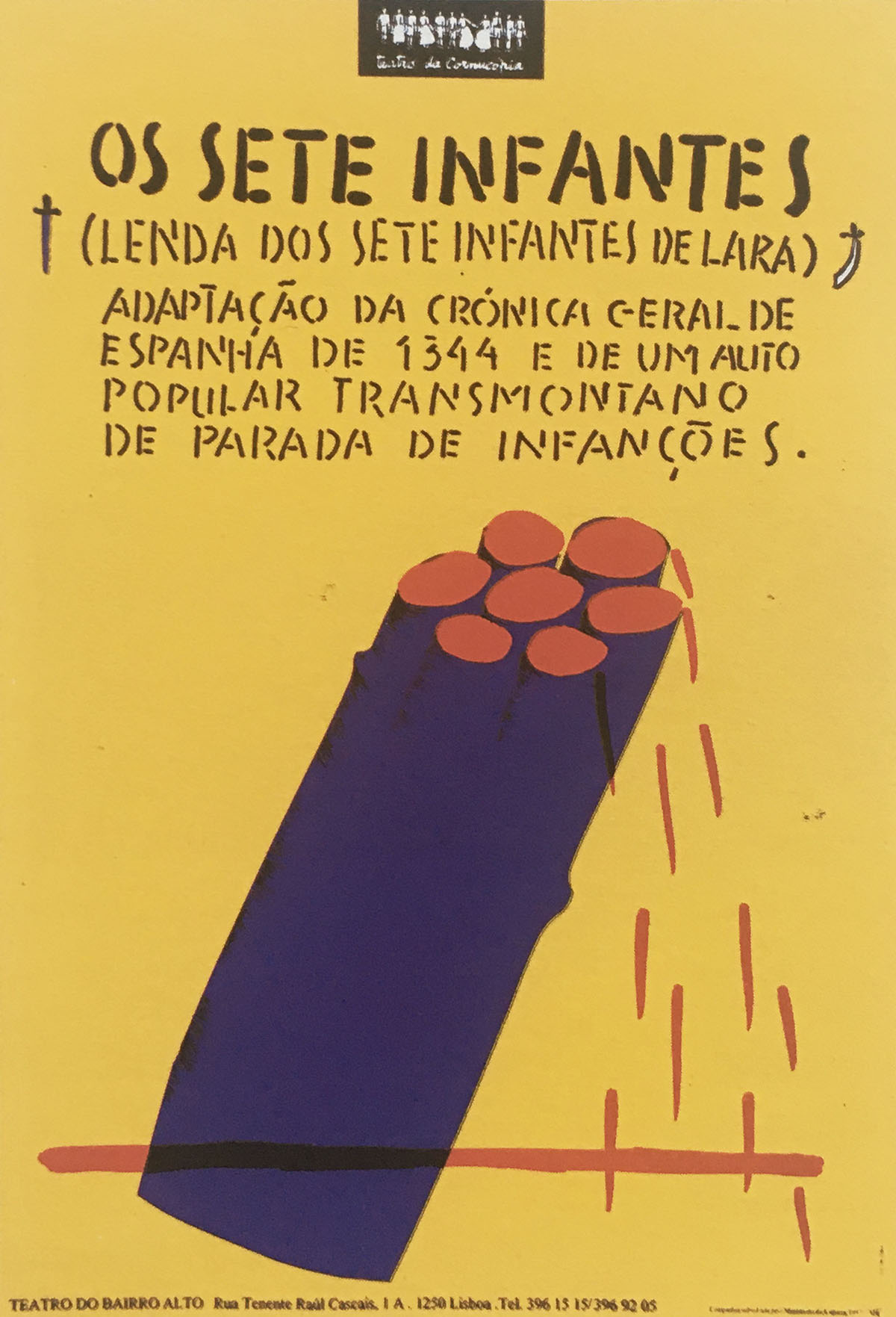
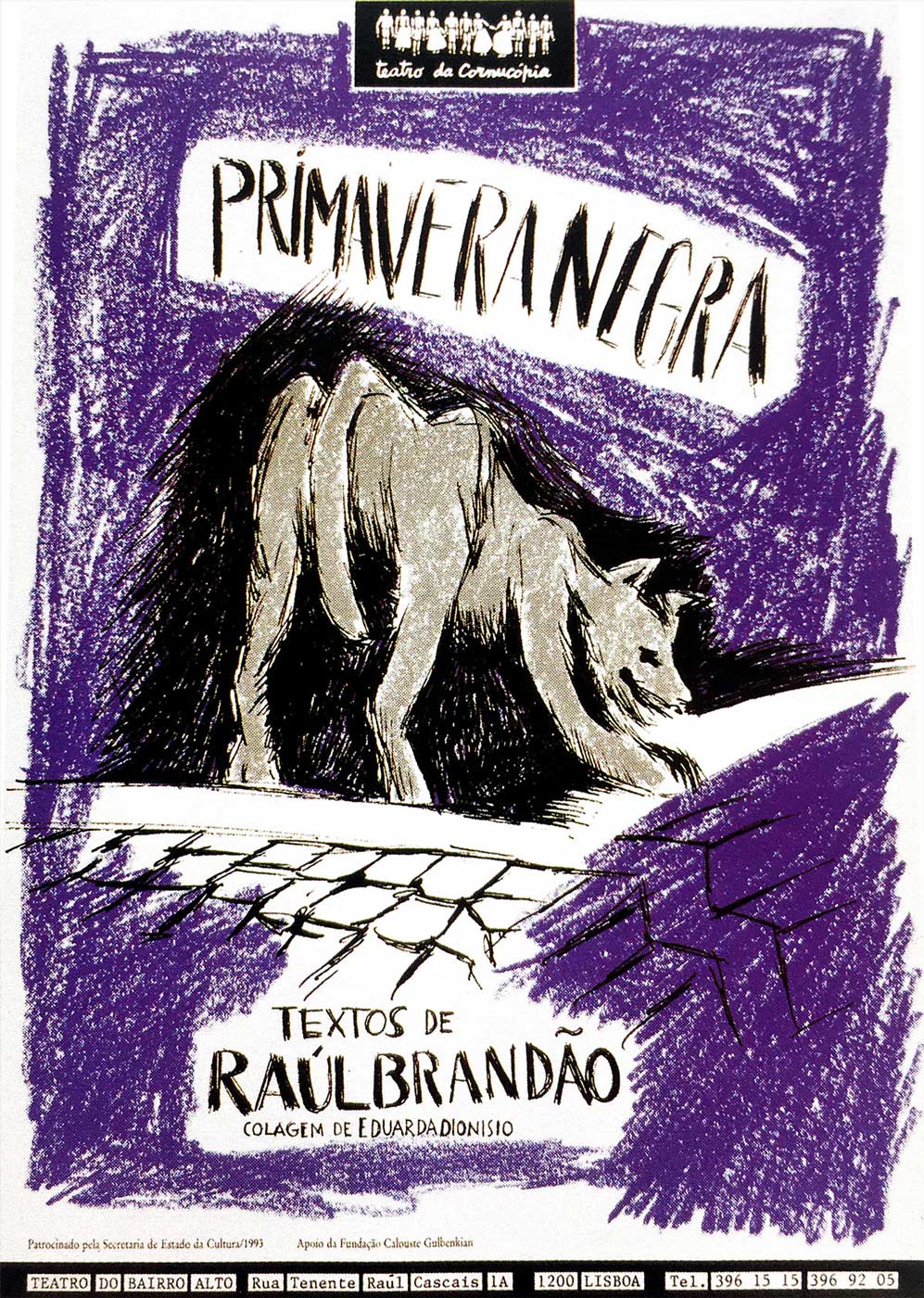
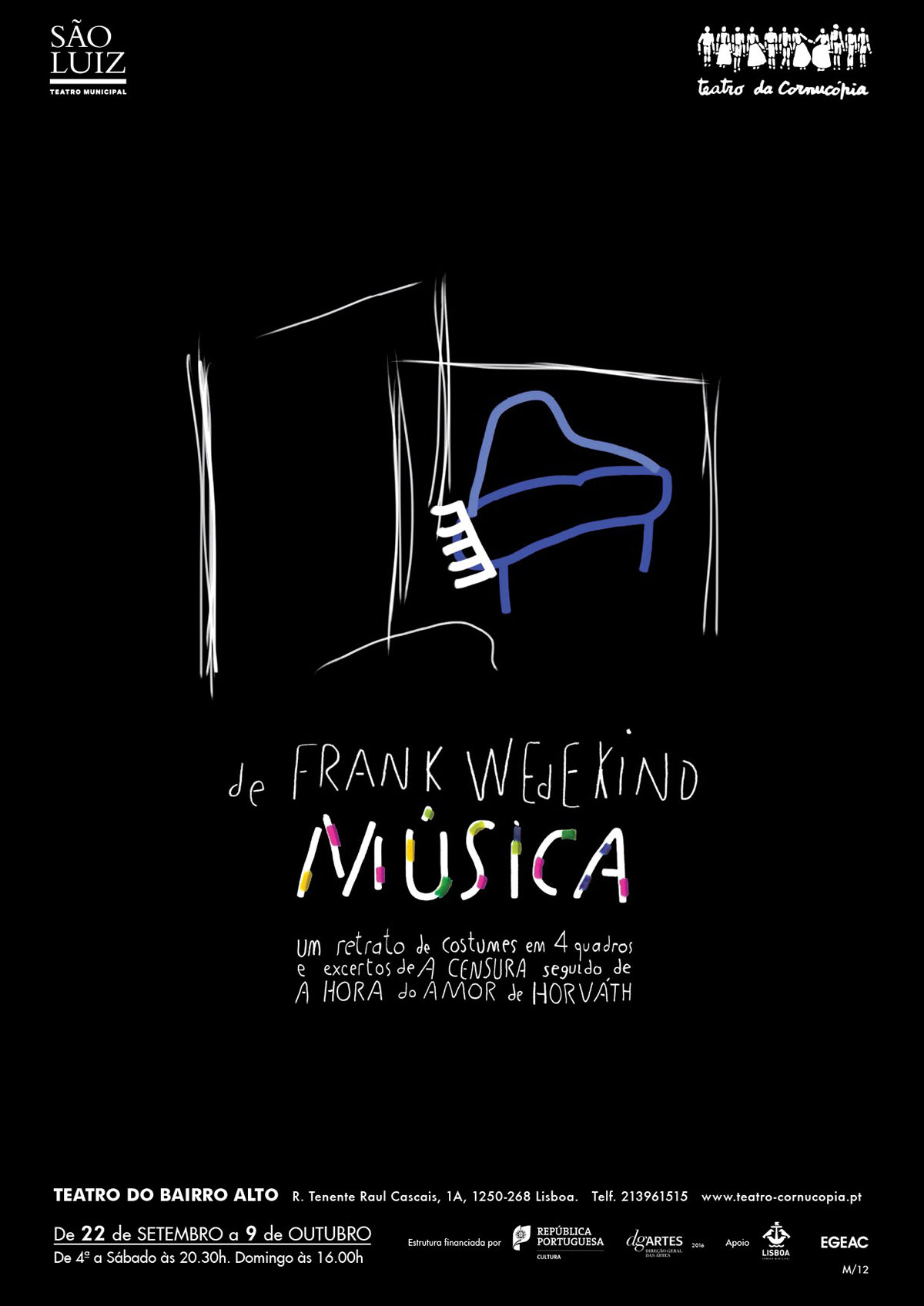
In 1975, she began working as a scenographer, costume designer, and graphic designer at Teatro Cornucópia, under the direction of Jorge Silva Melo and Luís Miguel Cintra. Between 1979 and 1981, she completed a scenography internship at the Schaubühne am Halleschen Ufer in Berlin. After returning to Teatro Cornucópia, she assumed its direction together with Luís Miguel Cintra, marking the beginning of a long and prolific artistic partnership.
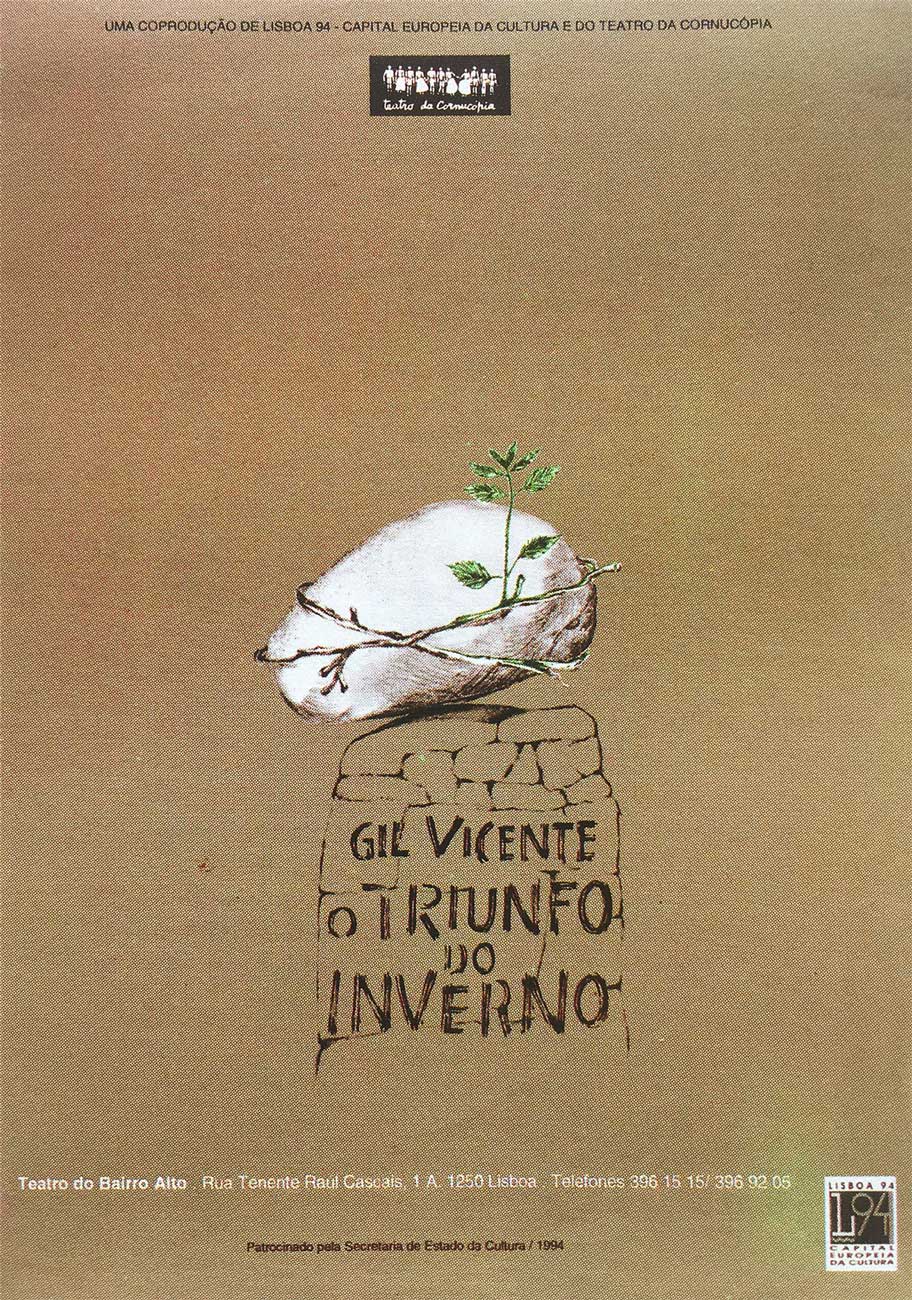
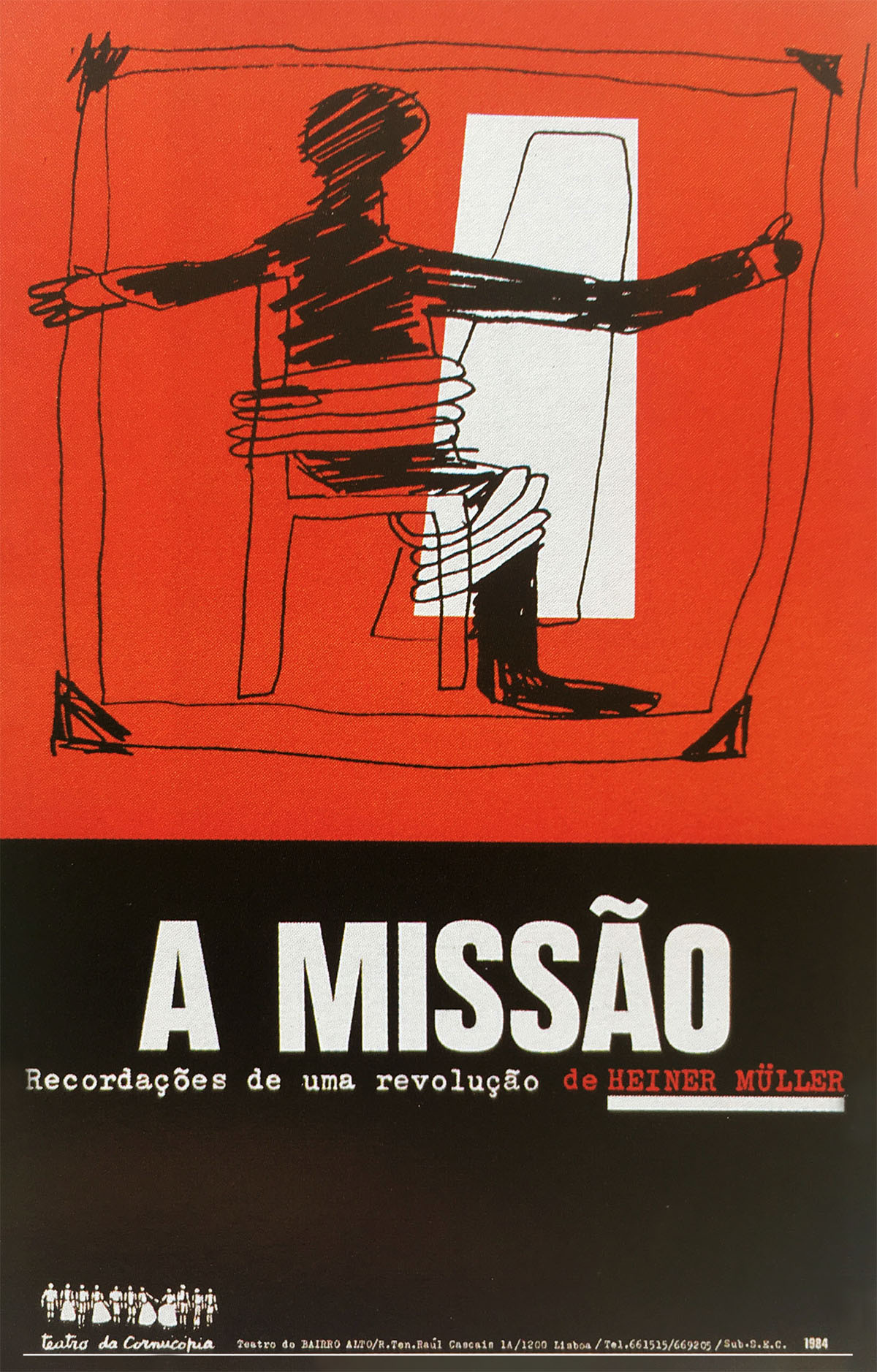
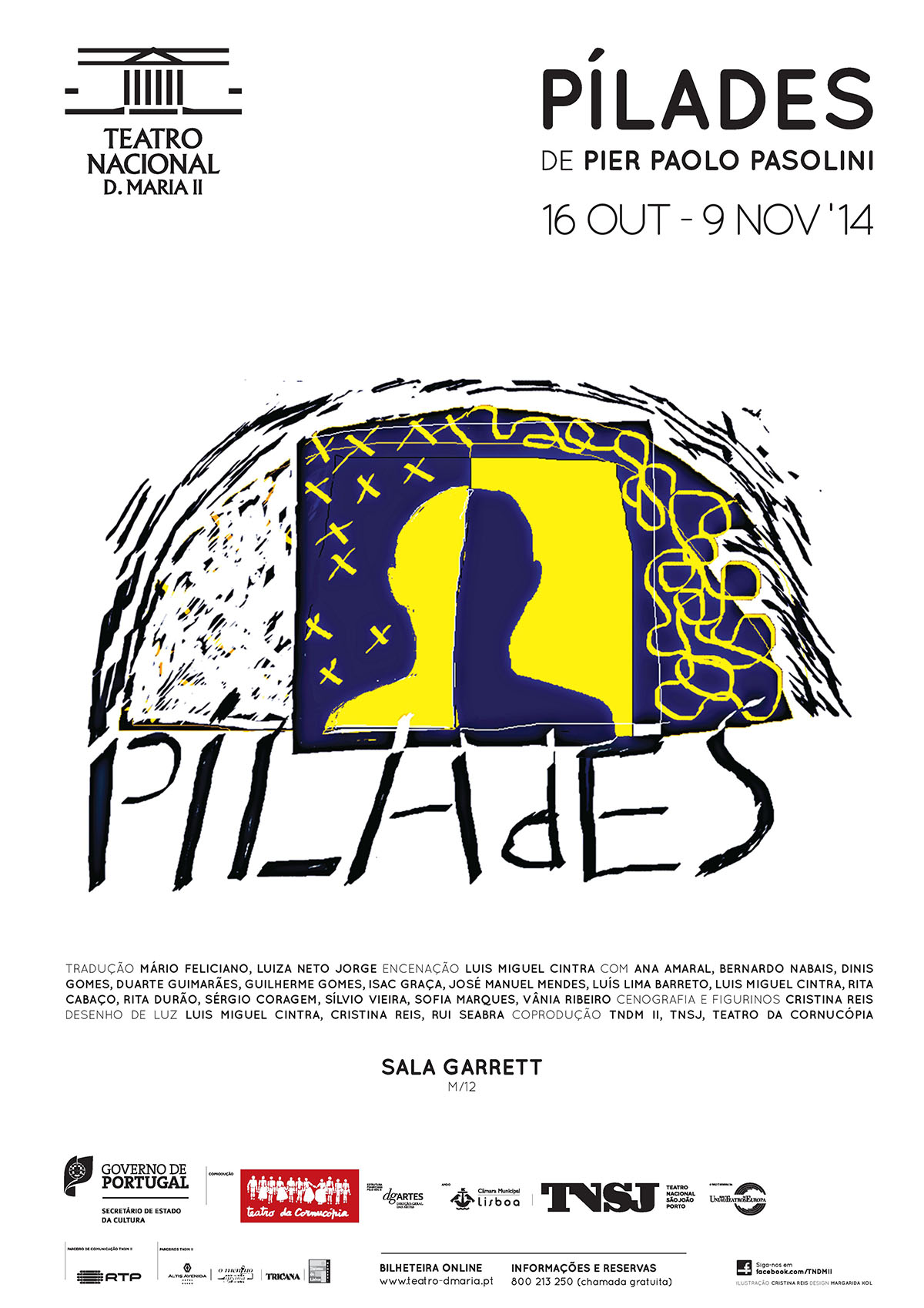
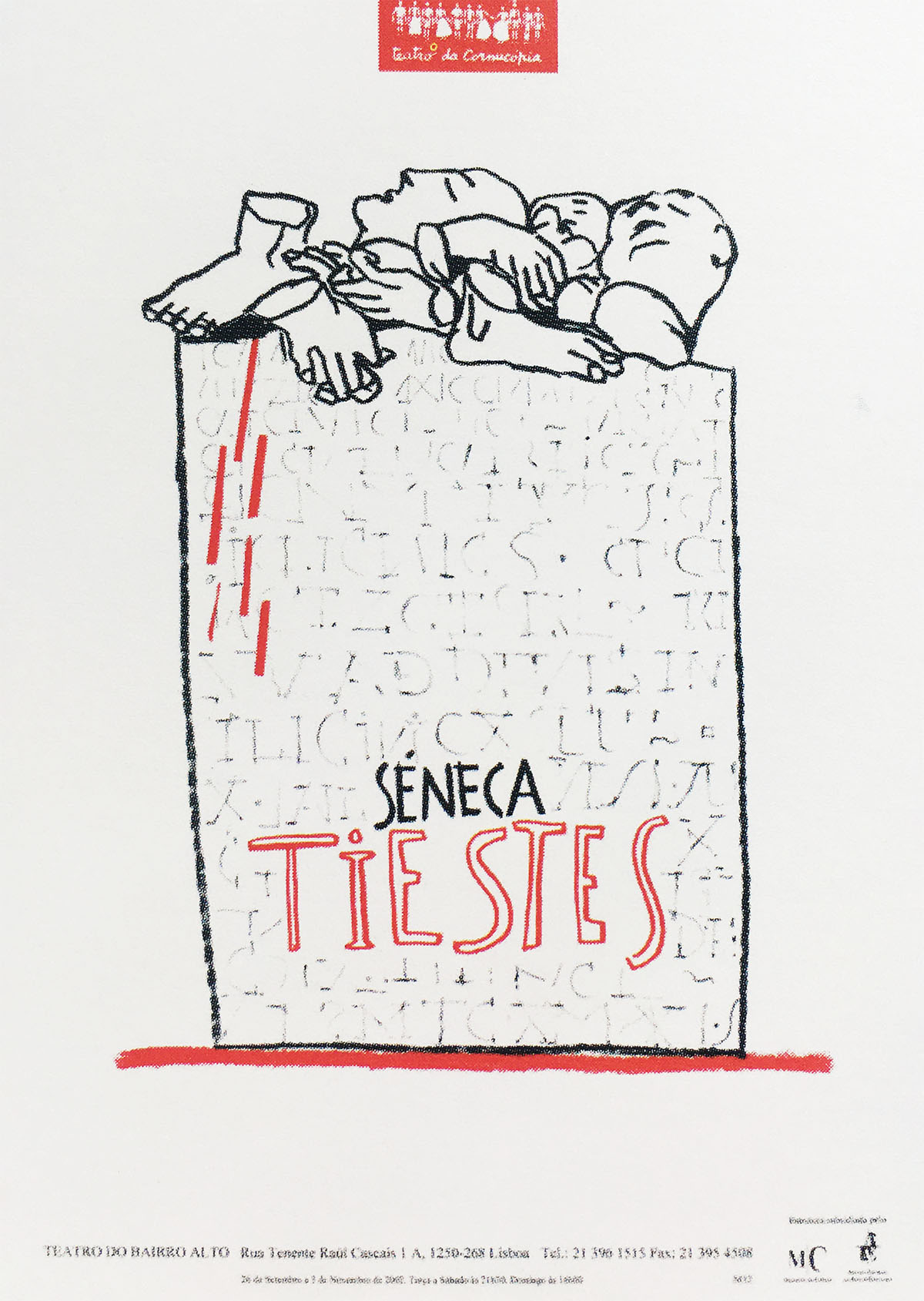
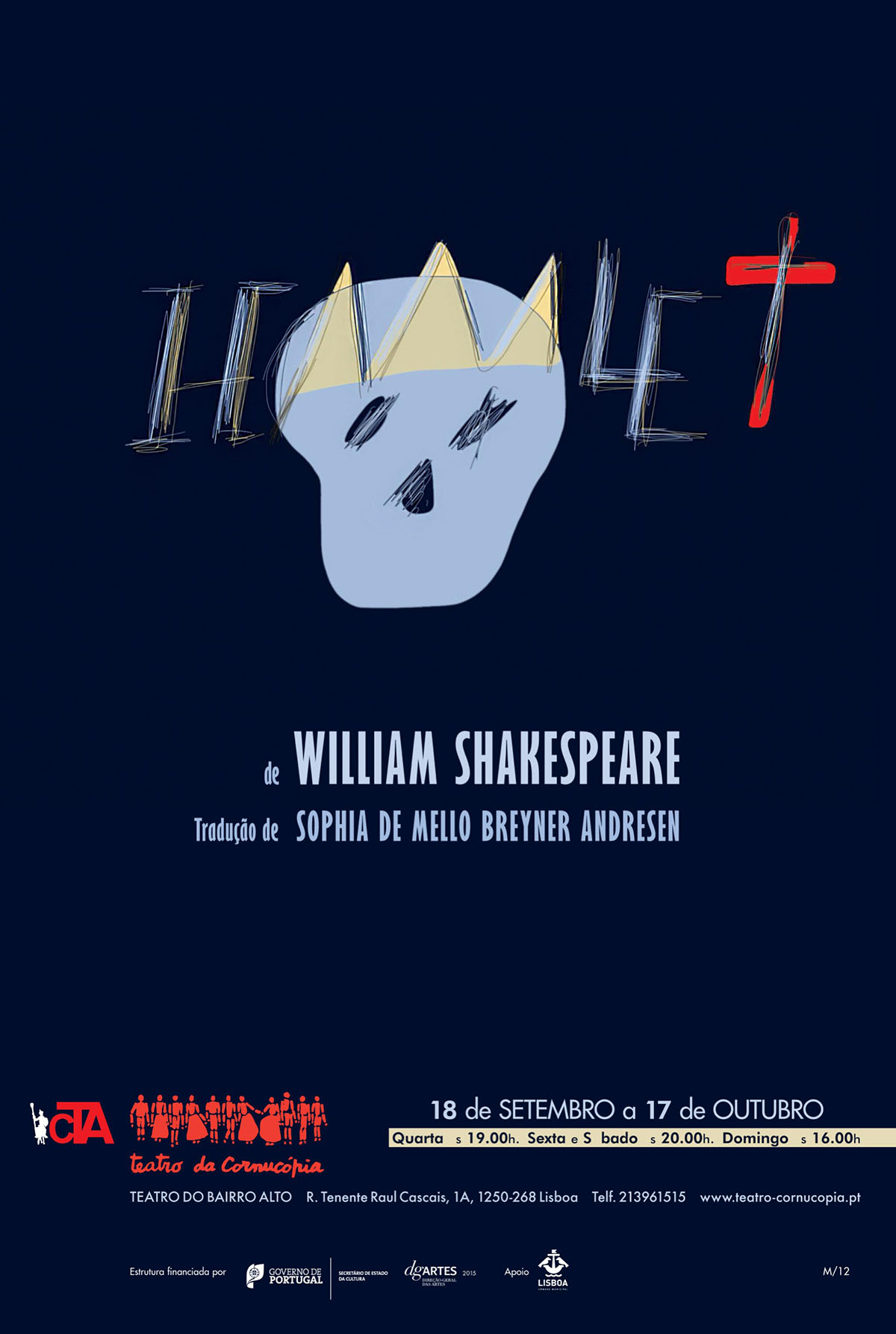
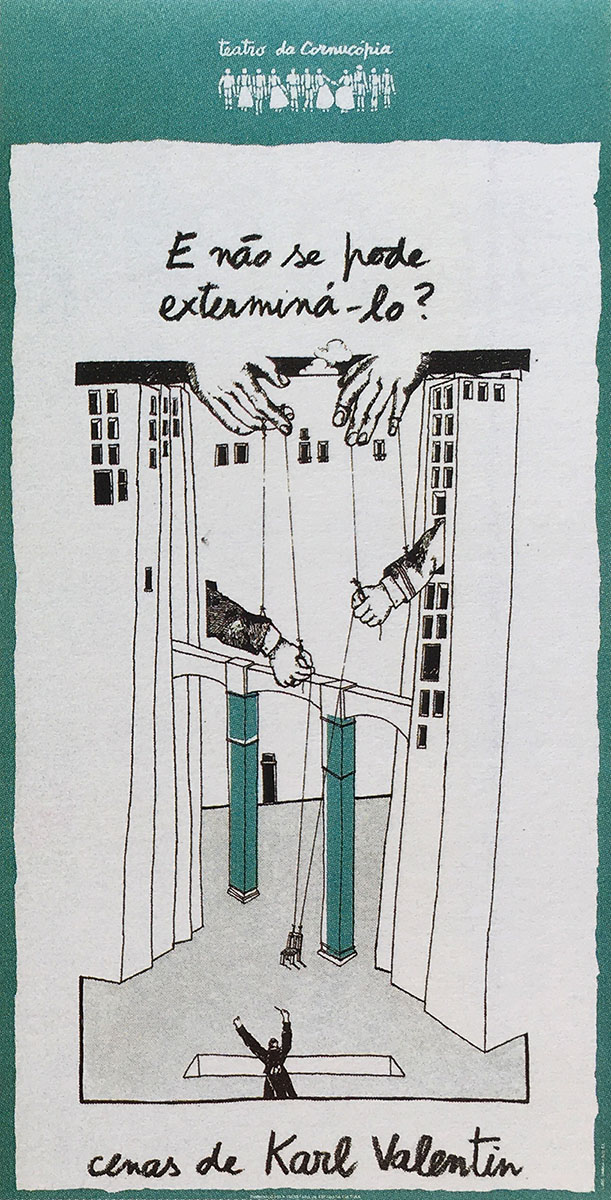
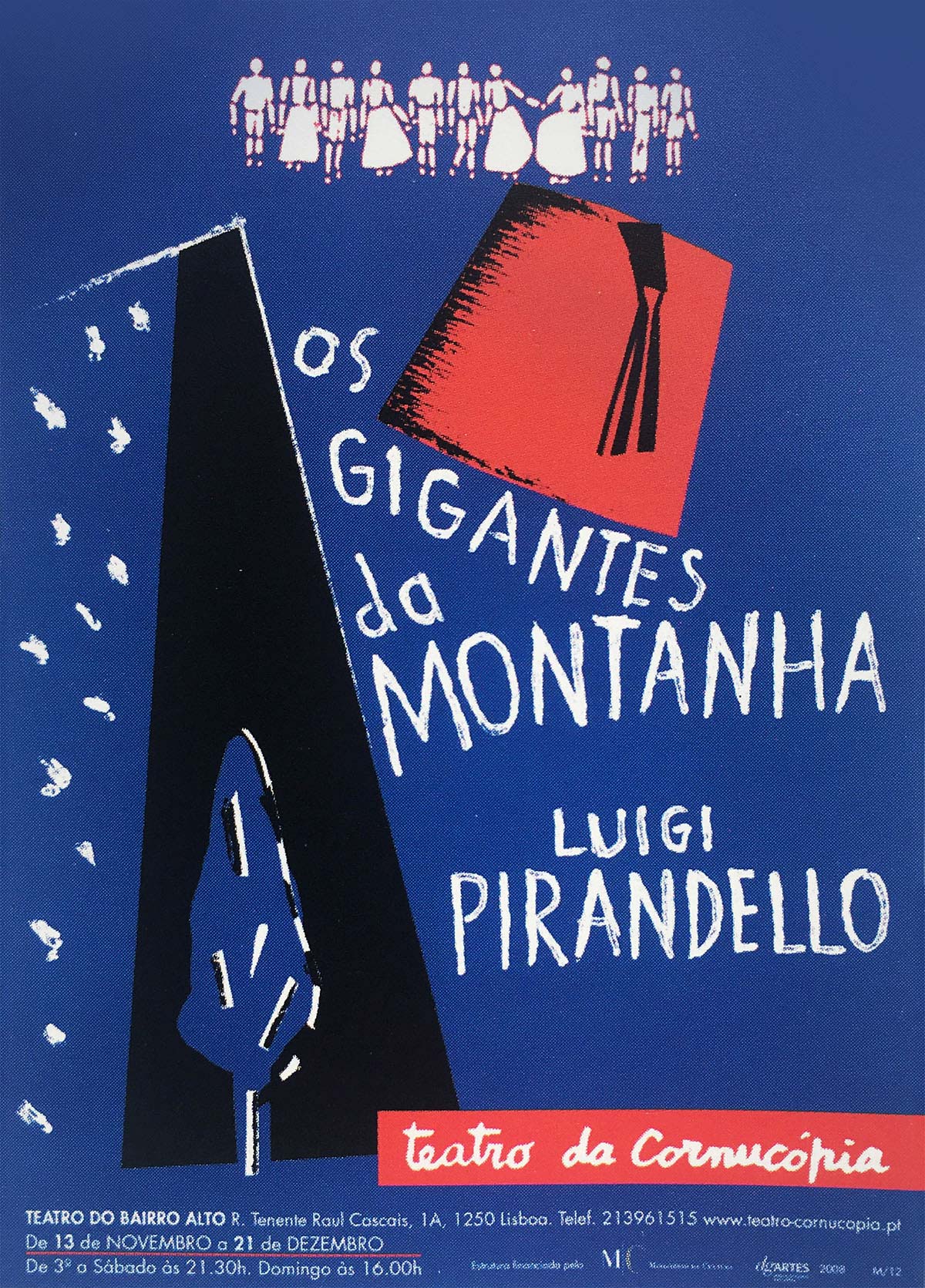
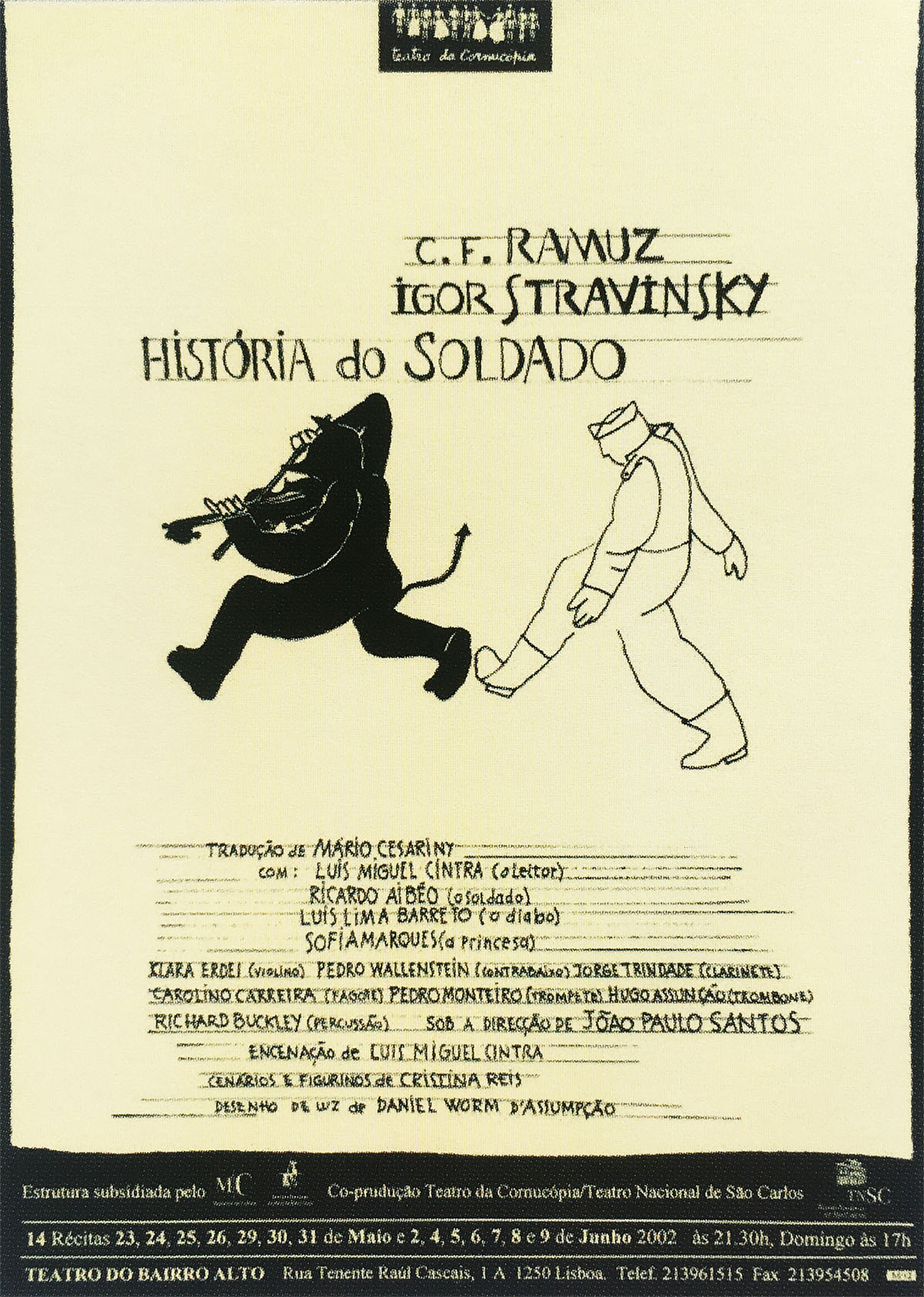
Over forty years at Cornucópia, Cristina Reis dedicated herself to designing all sets, stage props, costumes, and the graphic identity for each production. She created most of the posters, programs, and all necessary graphic materials for the theater’s communication. Beyond Teatro Cornucópia, she also designed scenography and costumes for institutions such as Teatro Nacional D. Maria II, Culturgest, Teatro São Luiz, Teatro Rivoli, and Teatro Nacional de São Carlos.
Throughout her career, she received several distinctions, including the ACARTE / Maria Madalena de Azeredo Perdigão Award (1997); the Almada Theater Prize for her body of work, awarded by the Ministry of Culture (1999); the National Design Award from the Portuguese Design Center (2000); the Gulbenkian Arts Award (2010); and the Theater Critics Award (2015).